


How Much Do House Removals Cost? The Complete UK Guide

Moving house is one of the biggest financial decisions most people make and the removal itself is often the cost that catches people most off guard. The average house removal cost in the UK sits somewhere between £400 and £3,500, depending on the size of your property, how far you are moving, and what level of service you need.
If you are planning a move and trying to budget properly, the honest answer is that no two removals cost the same. Moving a one-bedroom flat locally is a completely different job from moving a four-bedroom house cross-country. What you pay will depend on a handful of specific factors, and knowing what those are before you request quotes is the single best thing you can do to avoid being overcharged.
This guide covers average house removal costs across the UK in 2026, what pushes prices up or down, the hidden charges most people do not find out about until it is too late, and practical ways to bring the total down without cutting corners.
Average House Removal Costs in the UK
Before getting into the details, here is what most people actually pay. These figures are based on a standard weekday move where the homeowner does their own packing. They include loading, transport, and unloading, but not packing services, storage, or specialist items.
Cost by Property Size
Property size is the first thing Professional removal companies look at when putting together a quote. More rooms mean more furniture, more boxes, more manpower, and often a larger vehicle all of which push the price up.
1 Bedroom Flat
A one-bedroom flat is the smallest and most straightforward type of move. Most can be completed in a few hours with a two-person team and a single transit-sized van. For a local move, you can expect to pay between £400 and £700. For a longer move over 100 miles, that rises to around £700 to £1,200.
2 Bedroom House
A two-bedroom property usually requires a larger van and a bit more time, particularly if there is a sofa, washing machine, or double beds involved. Local moves typically cost £600 to £1,000. Long-distance moves come in at roughly £900 to £1,500.
3 Bedroom House
This is the most common type of move in the UK, and it is where costs start to become meaningful. A 3-bedroom house move locally averages £1,229 to £1,700. Over longer distances, the average cost of house removals for a 3-bed property sits between £1,700 and £2,200. Some companies quote slightly lower for a basic service, but once you factor in the time the job actually takes, these figures are a reliable benchmark.
4+ Bedroom House
Larger homes mean more furniture, heavier loads, and moves that often stretch into a second day or require two vehicles. For a 4-bedroom house, budget £1,500 to £2,500 for a local move and £2,200 to £3,200 for a longer one. Five-bedroom properties can push well beyond £3,500, particularly in London or for cross-country moves.
Cost by Distance
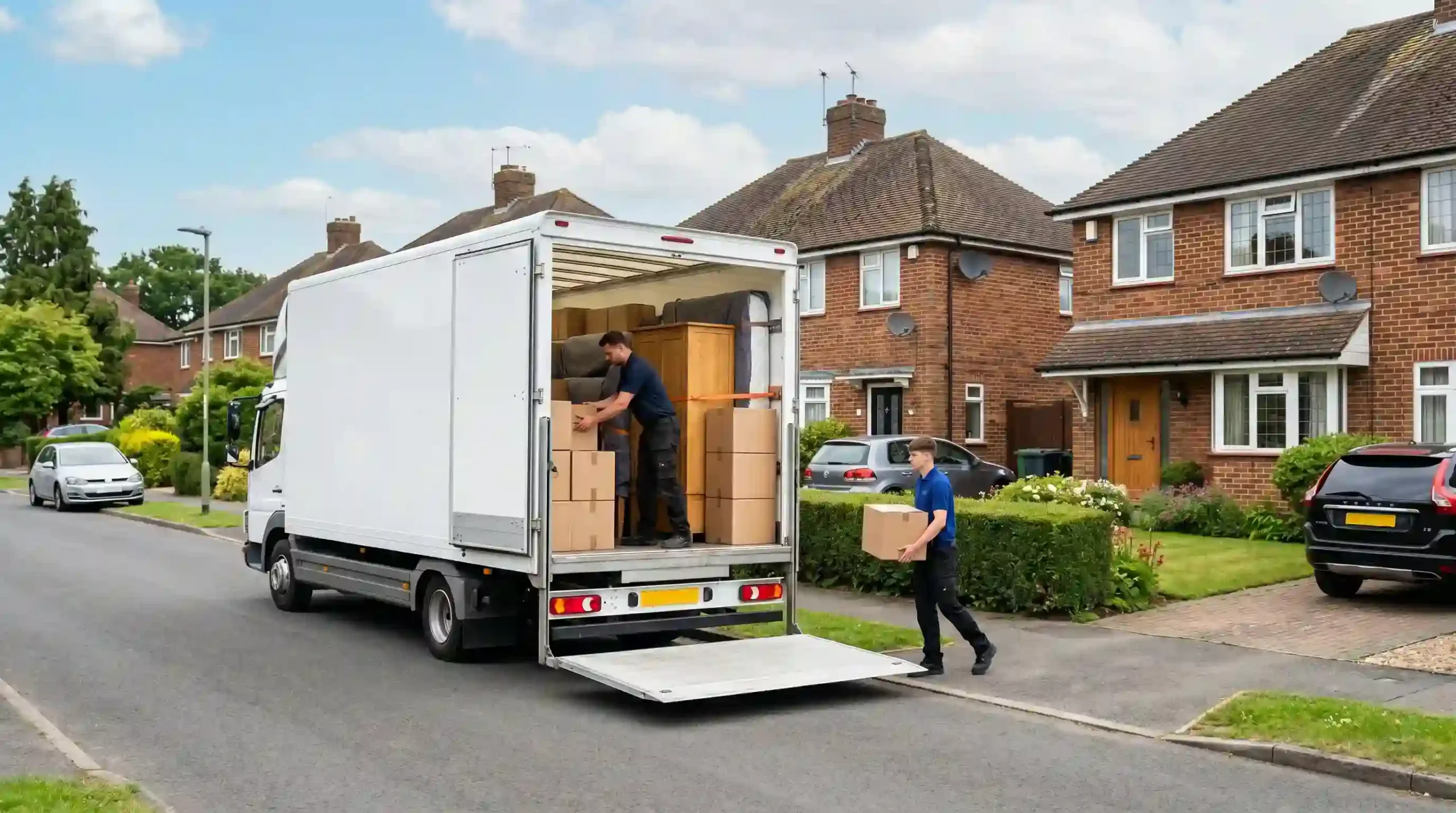
Distance is the second major pricing factor after property size. For shorter moves, most companies charge by the hour. For longer ones, you will typically receive a fixed quote.
Local Moves
A local move is generally anything under 15 to 20 miles. Removal companies usually charge an hourly rate here, with a two-hour minimum and at least two removal men. Expect to pay £50 to £80 per hour for a standard two-person team and van. Most local moves for smaller properties are completed within half a day.
Medium Distance
Moves between 20 and 100 miles tend to shift towards fixed-price quotes. The company will assess the volume of your belongings and the driving time to calculate a set fee. For a 3-bedroom house at this range, expect to pay towards the higher end of the local bracket, roughly £1,500 to £1,900.
Long Distance
Long-distance moves, anything over 100 miles, cost considerably more. Fuel, extended driving time, and sometimes overnight accommodation for the crew all add to the bill. A 3-bedroom move from London to Manchester, for example, typically costs £1,800 to £2,400. London to Edinburgh can reach £3,500 to £5,500 for a larger property. For moves over 300 miles, always ask for a fixed written quote rather than an hourly arrangement.
What Affects House Removal Costs?
Understanding what drives the price up or down is genuinely useful when you are comparing quotes. Two companies quoting on the same property can differ by hundreds of pounds and the difference is almost always explained by one of the following factors.
Property Size
Larger homes take longer to load, require more removal staff, and often need a bigger vehicle or multiple trips. A studio flat might take three hours and one van. A five-bedroom house could take a full day with two vans and four removal men. Companies assess this either through a home survey or by asking you to estimate the cubic footage of your belongings.
Moving Distance
Longer moves cost more for straightforward reasons: more fuel, more time on the road, and sometimes overnight costs for the crew. The pricing model also tends to change hourly rates work for local moves, but a fixed quote is the norm for anything over 50 miles. Always confirm which model applies before agreeing to a quote.
Packing Services
If you pack your own belongings, you pay only for the move. If you want the company to pack everything, expect to add a significant amount to the bill around £300 to £1,500 depending on property size. The most cost-effective approach for most people is partial packing: pay the removal company to handle the kitchen and fragile items, and pack everything else yourself. This typically adds £150 to £300 to the base cost and reduces the risk of breakages considerably.
Access and Parking Issues
Difficult access adds time and labour, both of which cost money. Stairs, lifts that need booking in advance, narrow streets, no parking outside the property all of these slow the team down. A move from a third-floor flat with no lift will take meaningfully longer than the same volume of belongings from a ground-floor property with a driveway. If your property has any access complications, mention them when requesting quotes so companies can price accordingly rather than revising the figure on moving day.
Special Items
Pianos, large safes, gym equipment, antiques, and oversized artwork all require specialist handling extra equipment, additional manpower, or both. A standard upright piano moved locally costs between £150 and £350. A grand piano runs £400 to £600. Heavy safes can add £200 to £300 to a quote because of the weight and specialist lifting gear involved. If you have anything in this category, declare it upfront. Companies that find out about a piano on moving day may decline to move it or charge considerably more than they would have quoted in advance.
Additional Removal Costs to Consider

This is where most people get caught out. The base quote covers loading, driving, and unloading and not much else. The following costs are all genuinely common and can add hundreds of pounds to a bill that initially looked reasonable.
Packing Materials
Even if you pack everything yourself, you will need boxes, tape, bubble wrap, packing paper, and wardrobe boxes for hanging clothes. For a 3-bedroom house, this typically costs £80 to £150 if you buy everything new. You can reduce this significantly by collecting boxes from supermarkets, asking on local Facebook groups, or checking Freecycle all of which are worth doing a few weeks before your move date.
Storage
If there is a gap between leaving your old property and being able to move into the new one, which happens regularly when chains are involved, you will need somewhere to put your belongings. Storage arranged through a removal company typically costs £30 to £100 per week. Arranging self-storage independently is usually cheaper, at around £50 to £150 per week, but requires more organisation. Have a plan for this before moving day, not on it.
Furniture Dismantling
Beds, large wardrobes, and flat-pack shelving units often need to be taken apart to fit through doors. Most removal companies charge £20 to £40 per item for dismantling and reassembly. This is easy to forget about when reviewing a quote, particularly if the surveyor did not walk through every room and note down every piece of furniture that would need to come apart.
Insurance
Standard goods-in-transit insurance which most removal companies include as standard tends to cover a fairly limited amount per item and may not cover goods packed by the homeowner at all. If you are moving anything of real value, ask specifically what the policy covers, what the per-item limit is, and whether an upgrade is available. Full-value protection policies typically add 5 to 15% to the total cost of your move but can save you considerably if something goes wrong.
Hidden Charges
- Depot-to-depot charges – Some companies charge from depot to your home, not from your property. Always confirm start point.
- Waiting time fees – If keys are delayed, you may be charged around £50–£100 per hour.
- Parking permits – Restricted areas often require permits costing £15–£50 per day, usually added separately.
Removal Company vs Man and Van Costs
For a studio flat or a straightforward one-bedroom property, a man and van service is almost always the better-value choice. The job can be completed in a few hours, the cost is lower, and the simplicity of the move means a smaller team is genuinely sufficient.
For a 2-bedroom property, it depends on how much furniture you have and how complex the access is. This is roughly the break-even point between the two options.
For a 3-bedroom house or anything larger, a full removal company almost always works out better value once you account for the time it would take a two-person team to clear the property, the risk of damage without proper packing and handling equipment, and the limited insurance that typically comes with smaller operators.
A DIY move, hiring a van, and doing it yourself is worth considering for very small moves where you have enough people to help. The hire itself costs £30 to £150 per day, but the total cost once you add fuel, packing materials, and the time of everyone involved is usually closer to a man and van quote than the headline hire price suggests. For anything larger than a one-bedroom flat, or any move involving stairs, heavy furniture, or a long drive, DIY rarely saves as much as it appears to on paper.
How to Reduce Your House Removal Costs
None of the following tips requires you to cut corners on the actual move. They are simply smarter ways to approach the process.
Declutter Before Moving
Removal companies quote based on volume. The less you move, the lower the quote. Before the surveyor visits, go through every room and be ruthless about what is worth taking. Furniture you were planning to replace anyway, boxes from the last move that were never unpacked, appliances that have seen better days, none of these are worth paying to move. Selling, donating, or disposing of items before the survey means the quote reflects what you are actually taking, not what happens to be in the house.
Compare Quotes
Getting a single quote and accepting it is one of the most common and costly mistakes people make. Research consistently shows that comparing multiple removal quotes saves significant money the average saving across comparison platforms is around £600. Always get at least three written quotes, and make sure each one covers the same scope of work so you are comparing like for like.
Move Midweek
Friday is the most expensive day to move house in the UK, largely because most mortgage completions happen on a Friday. Moving on a Tuesday or Wednesday can reduce the cost of house removals by 10 to 25% compared with the same company on the same job at the end of the week. If your completion date is flexible, even by a day or two, it is worth discussing with your solicitor.
Book Early
Peak season for removals runs from May through to September, with August being the busiest month. During these months, the best companies get booked up quickly and prices rise. Booking four to six weeks in advance is sensible for most moves. During summer, eight weeks ahead is safer. Last-minute availability exists, but it tends to come from companies that have gaps for a reason.
Pack Yourself
Professional packing adds hundreds of pounds to the total. If you pack everything yourself using proper boxes, with fragile items wrapped carefully and boxes labelled clearly, you keep the base quote considerably lower. The one exception worth considering is partial packing paying the company to handle the kitchen and any fragile or high-value items, and doing everything else yourself. This is a good balance between cost and peace of mind for most moves.
Final Thoughts
The cost of house removals in the UK ranges from around £400 for a one-bedroom flat to well over £3,500 for a large family home, and the actual figure you pay depends more on the specific details of your move than on any national average.
The biggest factors affecting price are property size, distance, the service level you choose, and the access conditions at both ends of the move. Get those four things right when comparing quotes, and you will have a much clearer picture of what your move should actually cost.
The most effective ways to reduce your bill are straightforward: move midweek, compare at least three written quotes, declutter before the survey visit, and pack as much as you can yourself. Ask about depot-to-depot charging, waiting time policies, and what insurance is actually included. Those three questions alone can prevent the kind of surprises that turn a reasonable quote into an unexpectedly large final invoice.
Frequently Asked Questions
Q. What is the cheapest day to hire a removal company?
Tuesday and Wednesday are consistently the cheapest days. Friday is the most expensive, particularly at the end of the month when most completions take place.
Q. How far in advance should I book?
Four to six weeks ahead for most moves. During peak months, July, August, and school holiday periods, book six to eight weeks in advance to secure your preferred date and the best rates.
Q. What happens if the removal company damages my belongings?
You are entitled to claim compensation, but the amount depends on the insurance included in your contract. Standard goods-in-transit cover often has low per-item limits. Ask specifically about the level of cover before you sign anything, and consider upgrading if you are moving anything valuable.
Q. What does a standard quote include, and what does it not cover?
A standard quote covers loading, transport, and unloading. It does not typically include packing services, packing materials, furniture dismantling and reassembly, storage, specialist items such as pianos, parking suspension permits, or insurance upgrades. Always ask for an itemized written quote.

Raselain Removal Services LTD is a trusted Enfield removals company with years of experience providing reliable home and office moving services across the UK and Europe. From packing and transport to storage and disposal, our team delivers safe, smooth, and stress-free removals tailored to every customer.
Quick Links
Newsletter Subscription
© 2024 Raselain Removal Services LTD. All rights reserved.